





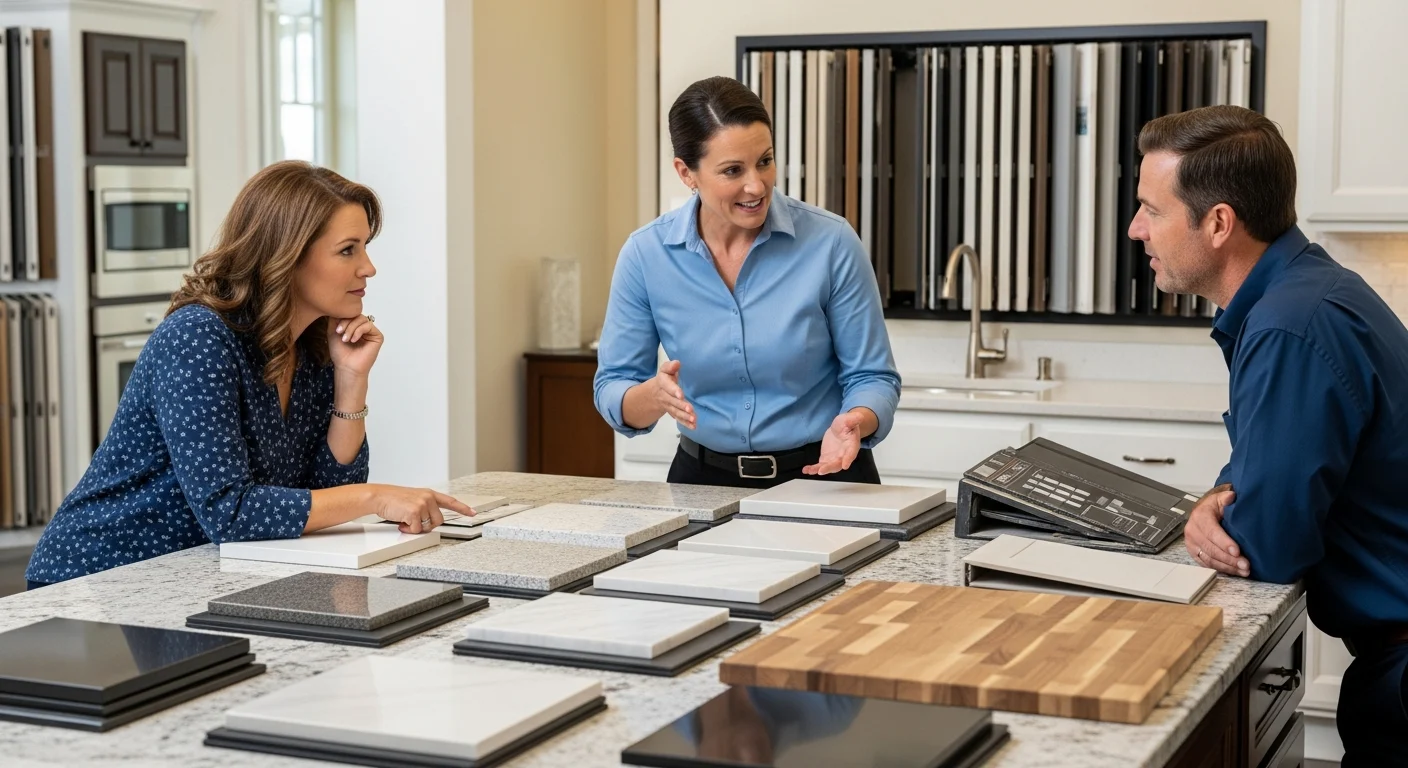
Choosing the right countertops for your kitchen is a crucial decision that can significantly impact the overall aesthetic and functionality of your space. With so many materials, colors, and styles available, it can be overwhelming to find the perfect match for your cabinets. This guide aims to make the decision process easier by highlighting key factors to consider when selecting countertops that complement your cabinetry.
From understanding the different types of materials available to considering the practical aspects of daily use, this comprehensive guide covers everything you need to know to make an informed choice. Let’s delve into the world of countertop materials and discover how to harmonize them with your cabinets.
Understanding Countertop Materials
The first step in choosing the right countertops is understanding the various materials available. Each material has its own set of characteristics, benefits, and drawbacks. Some of the most popular countertop materials include granite, quartz, marble, laminate, and butcher block. Each of these materials offers a unique combination of durability, maintenance, and aesthetic appeal.
Granite is a natural stone known for its durability and unique patterns. It is heat-resistant and can add a touch of luxury to any kitchen. However, it requires regular sealing to maintain its appearance and prevent stains. Quartz, on the other hand, is engineered stone that combines natural quartz with resins. It offers a non-porous surface that is resistant to stains and scratches. Quartz countertops are available in a wide range of colors and patterns, making them a versatile choice for many kitchens.
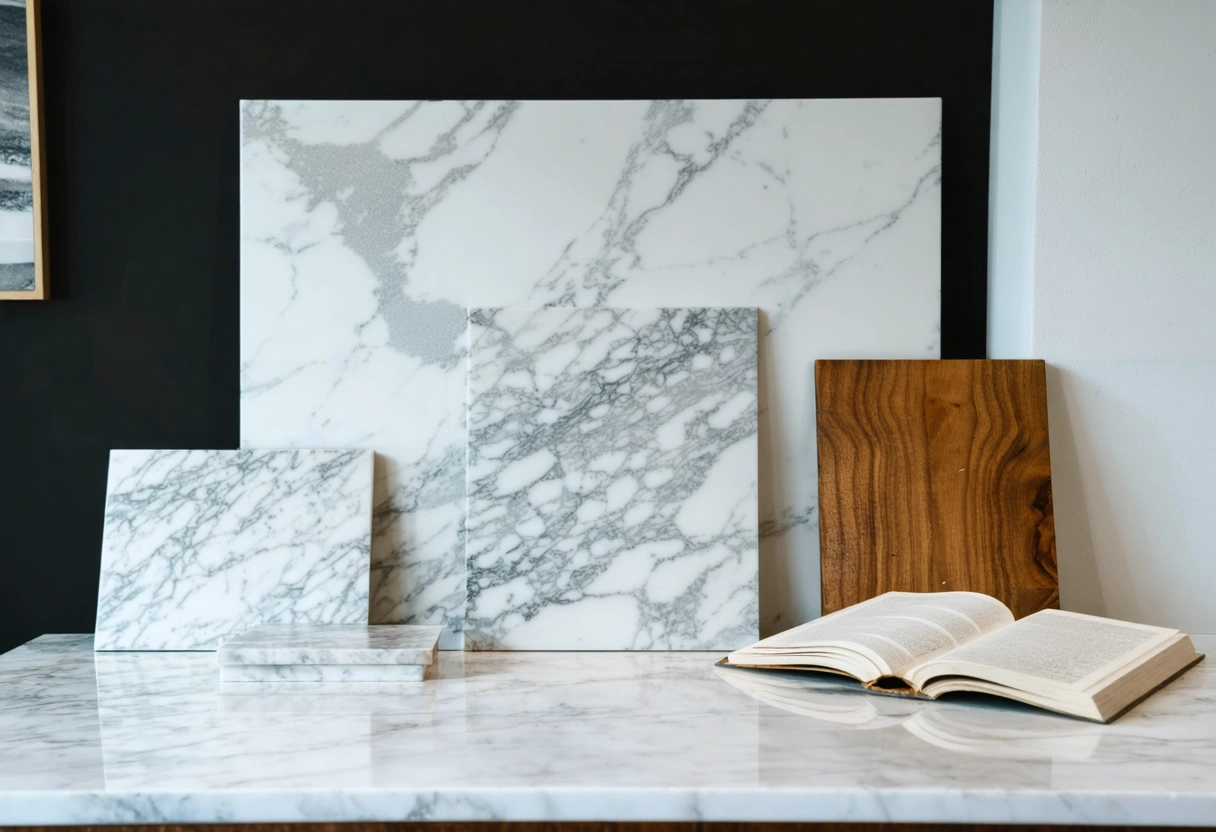
Marble is renowned for its classic beauty and elegance. While it is softer than granite and more prone to scratching and staining, its timeless appeal makes it a popular choice for homeowners seeking a sophisticated look. Laminate countertops are a budget-friendly option that offers a wide variety of colors and patterns. While they may not be as durable as natural stone, advances in design have made laminate a viable option for modern kitchens. Finally, butcher block countertops provide a warm, rustic feel and are ideal for those who enjoy a natural wood look. They do require regular maintenance, including oiling to prevent drying and cracking.
Matching Countertops with Cabinet Colors
Once you have a grasp of the materials, the next step is to consider how your countertops will complement your cabinet colors. The goal is to create a harmonious and balanced kitchen design. Start by evaluating the color scheme of your kitchen. If your cabinets are a neutral color, such as white or gray, you have more flexibility in choosing bold or patterned countertops.
For example, white cabinets paired with dark granite or quartz can create a stunning contrast that adds depth to your kitchen. On the other hand, if your cabinets are a dark wood, consider lighter countertops like cream or beige marble to brighten the space and provide a balanced look. When working with colored cabinets, such as blue or green, a neutral countertop can help tone down the overall color palette, allowing the cabinets to be the focal point.
It’s also essential to consider the undertones in both your cabinets and countertops. Pairing warm undertones with warm, and cool with cool, can create a cohesive look. For instance, cherry cabinets with red undertones would pair well with a warm-toned granite or quartz.
Considering the Kitchen Style
Your overall kitchen style should also influence your choice of countertops. Whether your kitchen is modern, traditional, rustic, or transitional, there’s a countertop material and style that can enhance the desired aesthetic. For modern kitchens, sleek surfaces like quartz or polished granite often fit best, providing a clean and streamlined appearance.
In traditional kitchens, classic materials like marble or natural stone can add to the elegant ambiance. For rustic or farmhouse-style kitchens, materials like butcher block or textured granite can enhance the warm and inviting feel. Transitional kitchens, which blend elements from different styles, can benefit from versatile materials like quartz that offer a variety of finishes and patterns.

When selecting a countertop, consider not only the visual appeal but also how the material will integrate with other elements in your kitchen, such as flooring, backsplash, and appliances. This holistic approach ensures a cohesive design.
Practical Considerations: Durability and Maintenance
While aesthetics are important, the practical aspects of countertop materials should not be overlooked. Consider how you use your kitchen and the level of maintenance you’re willing to commit to. Granite and quartz are both highly durable and resistant to heat and scratches, making them suitable for busy kitchens. However, granite requires periodic sealing to maintain its surface integrity.
If low maintenance is a priority, quartz might be the best option due to its non-porous nature, which makes it resistant to stains and bacteria. Marble, while beautiful, is more susceptible to etching and staining and might not be ideal for a high-traffic kitchen unless you’re prepared for regular maintenance.
Laminate countertops, while more affordable, can be prone to damage from heat and scratches. However, they can be a great choice for those on a budget or looking to change their kitchen style frequently. Butcher block countertops require regular oiling to prevent damage from moisture and scratches, but they can be sanded and refinished over time, offering a long-lasting option if properly maintained.
Exploring Edge Styles and Countertop Thickness
Beyond material and color, the edge style and thickness of your countertops can also influence the overall look of your kitchen. Common edge styles include eased, beveled, bullnose, and ogee, each offering a different aesthetic. An eased edge provides a clean and simple look, while a beveled edge adds a subtle decorative element. Bullnose edges are rounded, offering a softer appearance, while ogee edges are more ornate and suitable for traditional kitchens.
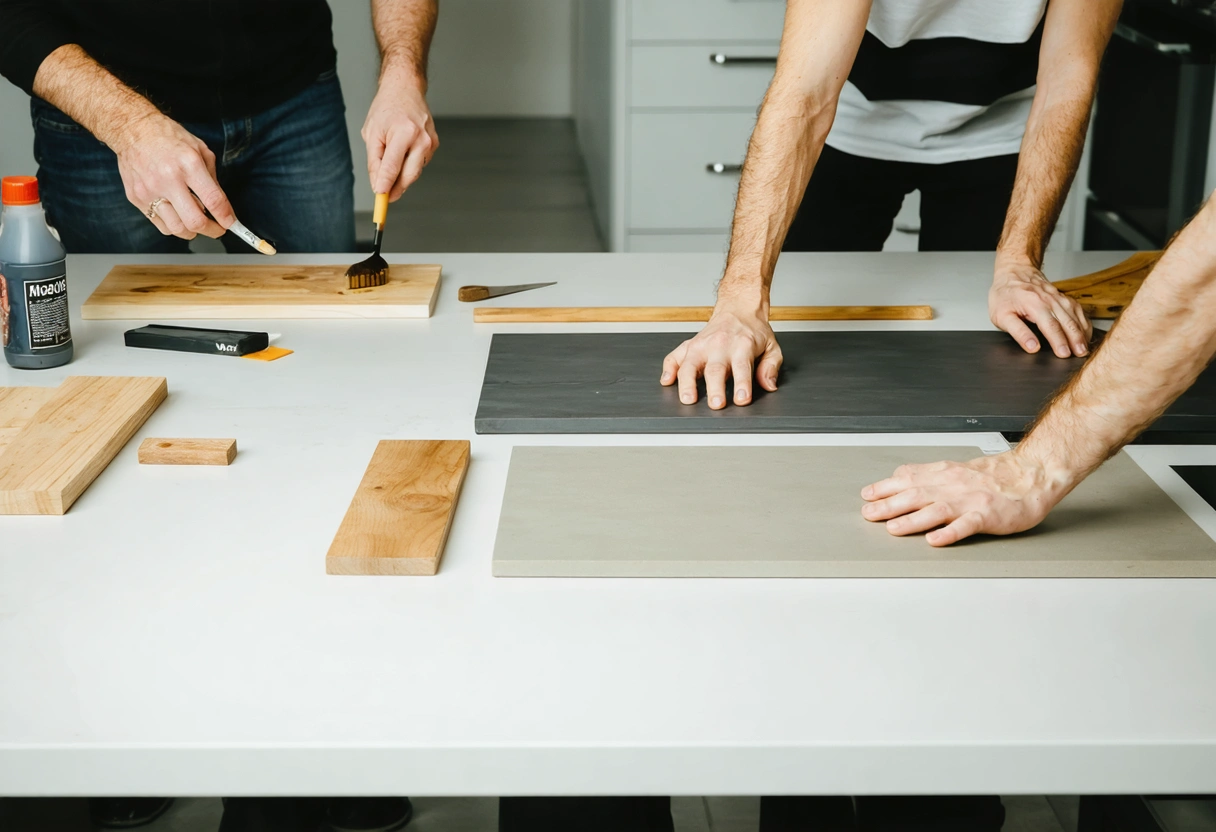
Countertop thickness can vary, with standard options typically being 2 cm or 3 cm. Thicker countertops can create a more substantial and luxurious look, while thinner options can provide a sleek and modern appearance. The choice of edge style and thickness should complement the overall design of your kitchen and align with your personal style preferences.
Budgeting for Your Countertops
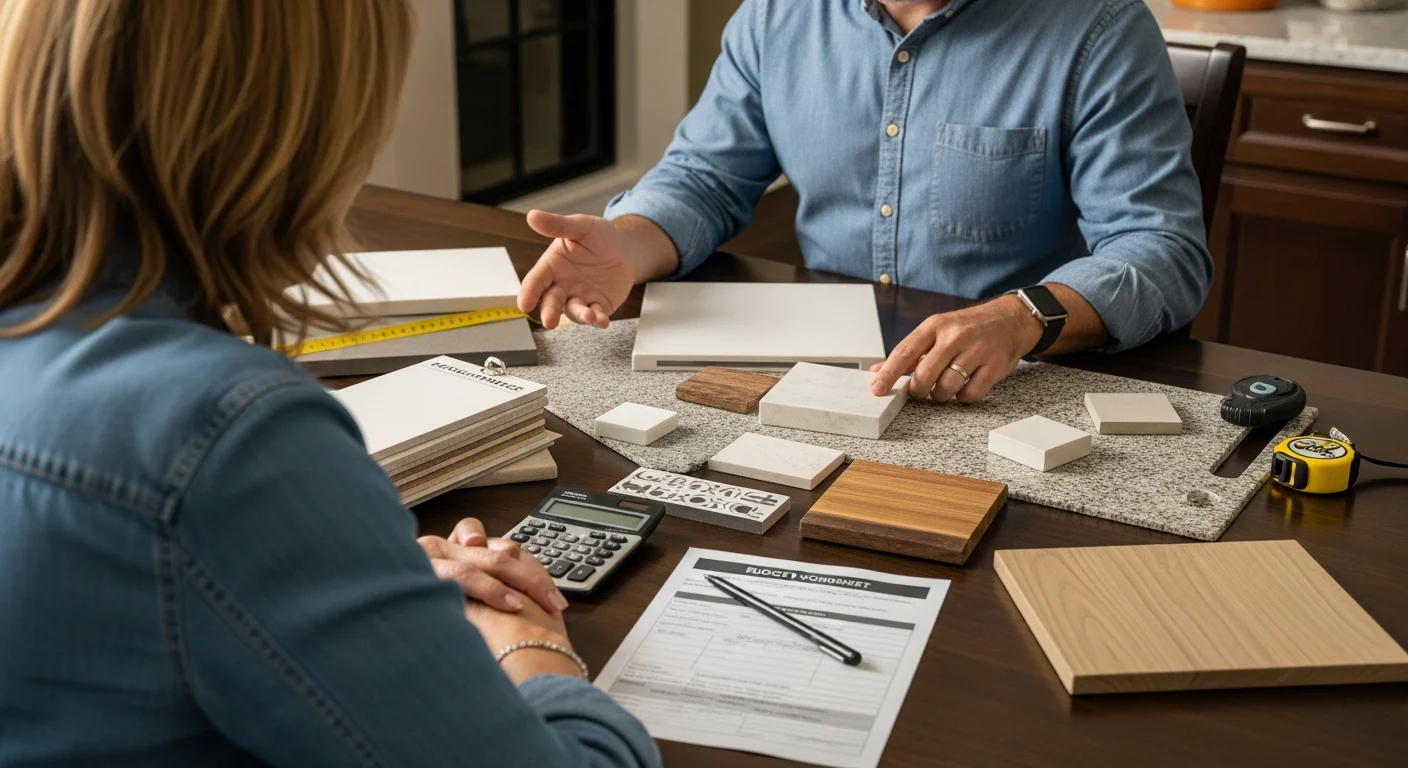
The cost of countertops can vary significantly depending on the material, style, and installation requirements. It’s essential to establish a budget early in your planning process to ensure you select a countertop that meets your financial constraints. While natural stones like granite and marble tend to be more expensive, materials like laminate and butcher block offer more affordable options without sacrificing style.
Consider the long-term value of your investment. Higher-end materials, while more costly upfront, can increase the resale value of your home and offer greater durability over time. It’s also important to factor in the cost of installation and any additional elements you may need, such as backsplashes or edge treatments.
When budgeting, it may be helpful to consult with a professional kitchen designer or contractor to ensure you’re making cost-effective decisions that align with your design vision and practical needs.
Making the Right Choice
Choosing the right countertops to complement your cabinets involves a careful balance of aesthetics, functionality, and budget. By understanding the characteristics of different materials and considering factors such as color coordination, kitchen style, and practical usage, you can select a countertop that enhances the beauty and utility of your kitchen.
Remember that your kitchen is a reflection of your personal style and needs. Take the time to explore different options, consult with professionals if necessary, and trust your instincts. With the right choice, your countertops will not only complement your cabinets but also transform your kitchen into a space that you love to cook and gather in.
For further reading on the types of kitchen countertops, explore this comprehensive guide. You can also learn more about the nuances of choosing kitchen counters and how they can fit into various design styles. For those interested in exploring the unique characteristics of cabinet and countertop pairings, this article provides valuable insights. Additionally, discover more about the durability and maintenance of different materials to ensure your kitchen surfaces endure the test of time.
In addition to the aesthetic and functional considerations, it’s important to think about future trends and timeless design elements. While it’s tempting to choose a trendy countertop material or color, opting for classic styles can ensure your kitchen remains stylish and appealing for years to come. Neutral tones and natural materials often stand the test of time and can easily adapt to changing design trends.
Incorporating Sustainable Materials
Sustainability is becoming an increasingly important factor in home design, and choosing eco-friendly countertop materials is a great way to reduce your environmental impact. Recycled glass countertops, for example, are made from post-consumer glass and offer a unique look with a mosaic of colors and patterns. They’re durable and require low maintenance, making them a practical choice for eco-conscious homeowners.
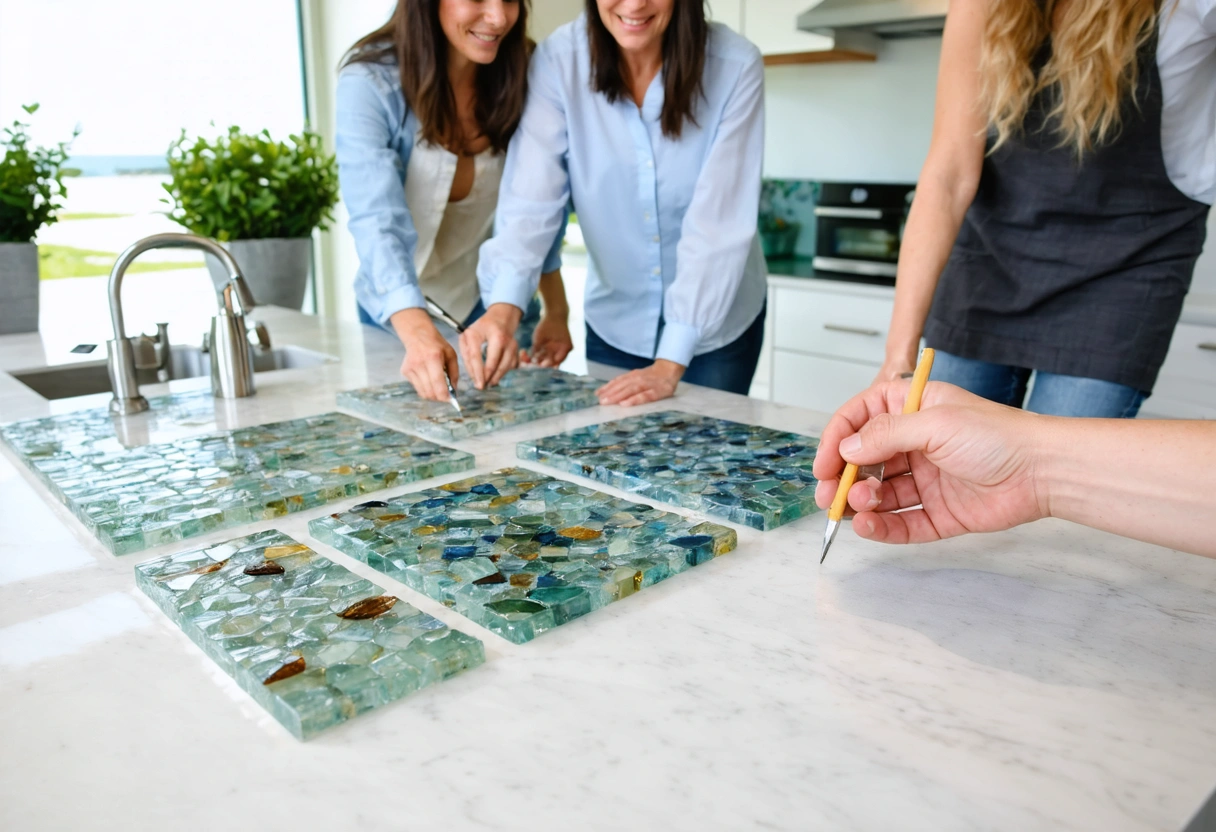
Bamboo countertops are another sustainable option that offers a warm, wood-like appearance. As bamboo is a rapidly renewable resource, it’s a more environmentally friendly choice compared to traditional hardwoods. Additionally, some engineered quartz options are manufactured using sustainable practices and recycled materials, providing both durability and a reduced environmental footprint.
Working with Professional Installers
Once you’ve chosen your countertop material, color, and style, the installation process is the final step to achieving your dream kitchen. Working with professional installers ensures that your countertops are fitted correctly and securely, minimizing the risk of damage or future issues. Professionals have the tools and expertise needed to handle complex installations, especially for materials like granite or marble that require precision cutting and sealing.
A professional installation can also guarantee that your countertops are level, properly supported, and aligned with your cabinets and other kitchen elements. This attention to detail not only enhances the aesthetic appeal of your kitchen but also extends the lifespan of your countertops. Be sure to research and select reputable installers with experience in handling the specific material you’ve chosen.
By considering all these factors and working with skilled professionals, you can create a beautiful, functional, and lasting kitchen space that perfectly complements your cabinetry and fulfills your design aspirations.
Need help with Choosing the Right Countertops: A Guide to Complementing Your Cabinets?