






Cabinets are touched, opened, loaded, cleaned, bumped, and exposed to moisture every day. While door style and finish color often get the most attention, the real measure of value is how well the cabinet is built beneath the surface.
Quality cabinet construction affects how doors align, how drawers glide, how shelves resist sagging, and how the entire installation performs after years of cooking, cleaning, storage, and seasonal humidity changes. When you understand the durability factor, it becomes much easier to compare cabinets intelligently and invest where it matters most.
Start With the Box You Cannot See
The cabinet box, also called the case or carcass, is the structural core of every cabinet. It supports the countertop, holds the drawers and shelves, keeps doors square, and anchors the cabinet to the wall or floor. Because much of it is hidden after installation, it is one of the easiest places for manufacturers to cut corners. It is also one of the places where quality matters most.
A durable cabinet box resists racking, which is the side-to-side distortion that causes a cabinet to lean out of square. Racking can lead to uneven gaps, doors that rub, drawers that bind, and joints that loosen over time. Strong boxes are built with stable panels, tight joinery, proper back construction, and secure fastening methods. Weak boxes may look acceptable on day one, but they often reveal their shortcomings once loaded with dishes, cookware, pantry items, or stone countertops.
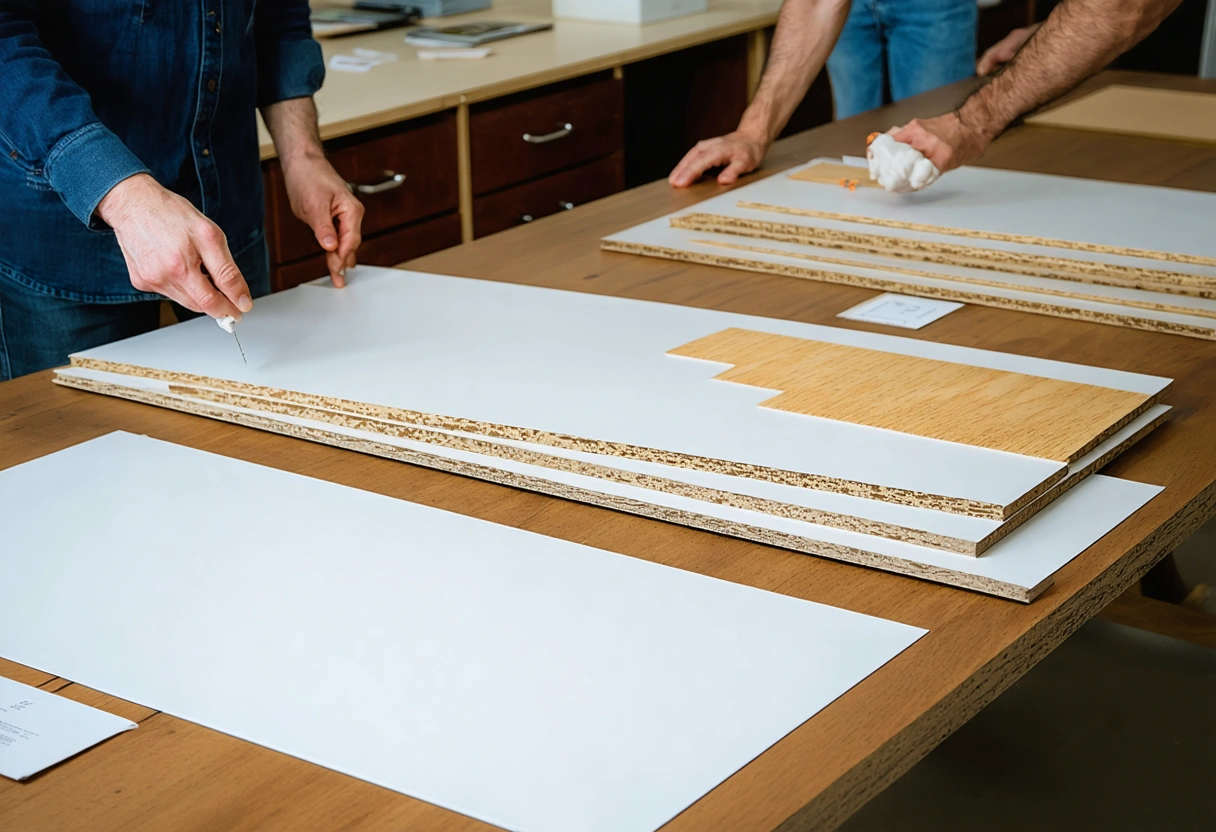
Material thickness is a major clue. A cabinet made with thin side panels may feel light and flexible, but that flexibility becomes a problem when the cabinet is fastened, leveled, and used daily. Thicker plywood or high quality furniture-grade composite panels provide better screw holding, improved stability, and greater resistance to impact. The difference may not be obvious in a showroom, but it becomes obvious after years of use.
Material Choice Shapes Long Term Performance
Cabinet durability begins with the materials selected for the box, shelves, drawer parts, doors, and face frames. The most common cabinet construction materials include plywood, particleboard, medium density fiberboard, hardwood, and engineered veneers. Each has strengths and limitations. Quality depends not only on the material category, but also on the grade, thickness, lamination, core density, finish, and how the material is used.
Plywood is widely valued for cabinet boxes because its cross-laminated layers provide strength and dimensional stability. It holds fasteners well and tends to perform better than lower density materials when exposed to minor moisture events. However, not all plywood is equal. A panel with voids, thin face veneers, poor bonding, or inconsistent plies will not perform like a well made cabinet-grade panel. Quality plywood should feel rigid, have clean edges, and show consistent layers without large gaps.
Particleboard and MDF can also perform well when they are dense, properly sealed, and used in appropriate applications. MDF is especially useful for painted doors because it offers a smooth surface and resists the expansion lines that can appear at hardwood joints. Particleboard can provide a flat, stable substrate for laminate or veneer cabinets. The problem is not engineered wood by itself. The problem is low quality engineered wood used too thin, left unsealed, poorly fastened, or placed where water exposure is likely.
Wood naturally responds to moisture, temperature, and the surrounding environment. Anyone comparing solid wood doors, plywood panels, and engineered cores should understand basic wood properties and moisture behavior, because movement is one of the central realities of cabinet construction. A well built cabinet is designed with that movement in mind rather than pretending it does not exist.
Joinery Is Where Strength Becomes Visible
Joinery is the method used to connect cabinet parts. It is one of the clearest differences between furniture-like cabinetry and bargain cabinetry. Strong joinery spreads stress across a larger area, keeps parts aligned, and resists loosening under repeated movement. Weak joinery depends too heavily on staples, nails, or minimal glue contact, which can fail when cabinets are loaded or repeatedly opened and closed.

Dado joints, rabbet joints, dovetails, dowels, mortise-and-tenon construction, confirmat screws, and mechanical fasteners all have a place in cabinetmaking. The best method depends on the cabinet style and component. For cabinet boxes, dadoes and rabbets help lock panels into place and increase glue surface. For drawers, dovetail joinery is prized because the interlocking shape resists pulling apart under load. For face frames, pocket screws, dowels, or mortise-and-tenon methods can create strong alignment when properly executed.
Drawer construction deserves special attention because drawers endure constant motion and concentrated weight. A drawer that stores utensils may not face much stress, but a wide drawer full of cast iron pans or dinner plates can become extremely heavy. Thin drawer sides, stapled butt joints, weak bottoms, and low capacity slides can lead to sagging, separation, or failure. Durable drawers often use solid wood or quality plywood sides, captured bottoms, reinforced corners, and heavy-duty slides matched to expected loads.
Joinery quality is also visible in consistency. Look for tight seams, square corners, smooth interior edges, and parts that meet cleanly without gaps. If joints are already misaligned before installation, daily use will rarely improve them. Quality joinery is quiet, precise, and confident. It does not depend on excessive filler, hidden staples, or fragile shortcuts.
Hardware Carries the Daily Workload
Cabinet hardware is the mechanical system that allows cabinetry to function. Hinges, drawer slides, pull-outs, lift mechanisms, shelf supports, and soft-close components are used constantly. Even a beautifully built cabinet can feel disappointing if the hardware is flimsy, noisy, underpowered, or difficult to adjust. Hardware quality is one of the most practical indicators of long term satisfaction.
High quality hinges allow precise adjustment in multiple directions, helping doors remain aligned after installation and seasonal movement. Soft-close hinges reduce slamming, which protects doors, frames, fasteners, and finishes. Cheap hinges may loosen quickly, have limited adjustability, or allow doors to sag. Over time, this can create uneven reveals and a worn appearance even if the cabinet materials are otherwise adequate.
Drawer slides are equally important. Side-mount, undermount, and concealed slides vary in appearance, capacity, smoothness, and installation requirements. For durable cabinetry, the slide should be rated for the real weight the drawer will carry. Full-extension slides improve access and reduce the temptation to overload the front of the drawer while digging for items in the back. Soft-close slides add comfort and reduce impact stress.
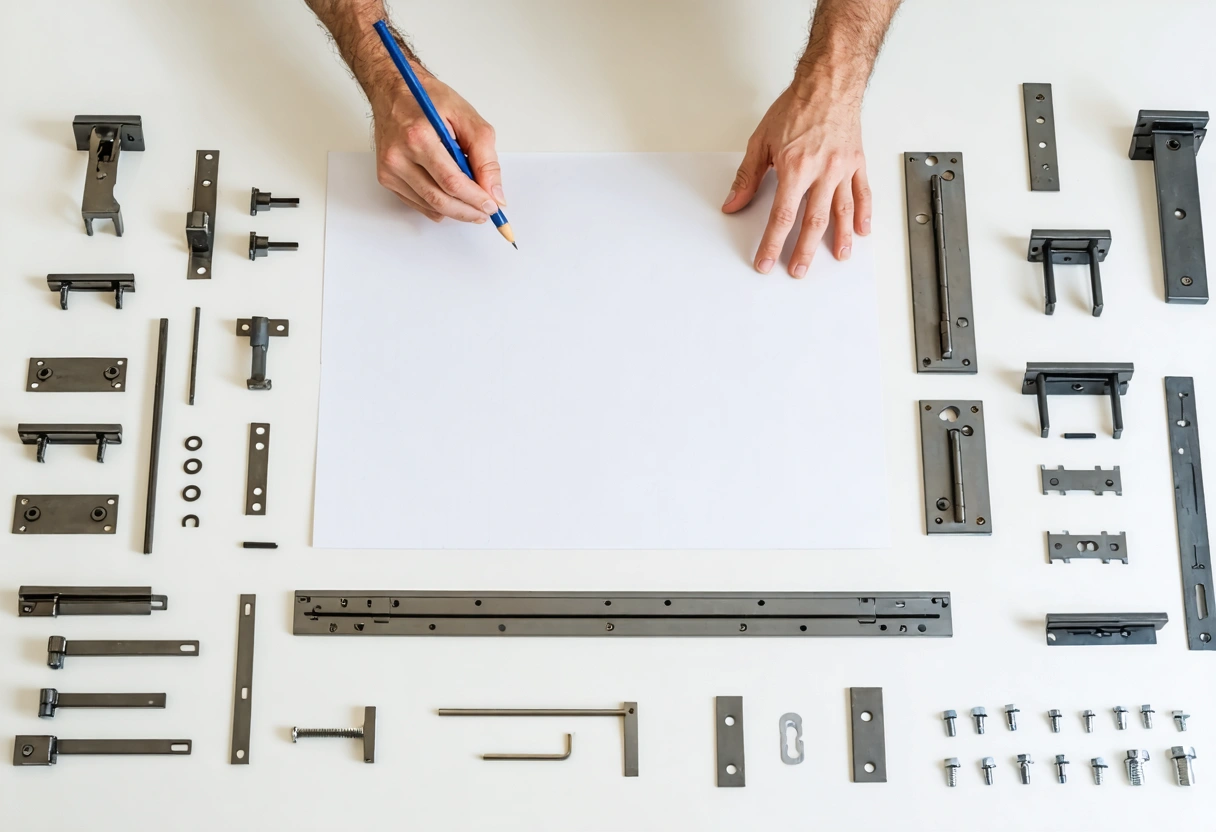
Do not overlook shelf supports and internal accessories. Adjustable shelf pins should fit tightly and support the shelf without wobbling. Pull-out trays should glide smoothly when loaded, not just when empty. Trash pull-outs, spice racks, tray dividers, and blind corner systems should be mounted to strong structural surfaces. A clever storage feature is only valuable if it remains stable after repeated use.
Moisture Resistance Is a Construction Issue
Kitchens, baths, laundry rooms, mudrooms, and wet bars all expose cabinets to moisture. Steam, spills, plumbing leaks, wet hands, damp towels, and mopping can challenge even well made cabinetry. Durability does not mean a cabinet is waterproof. It means the cabinet is designed, sealed, finished, and installed to tolerate normal household moisture without swelling, delaminating, staining, or breaking down prematurely.
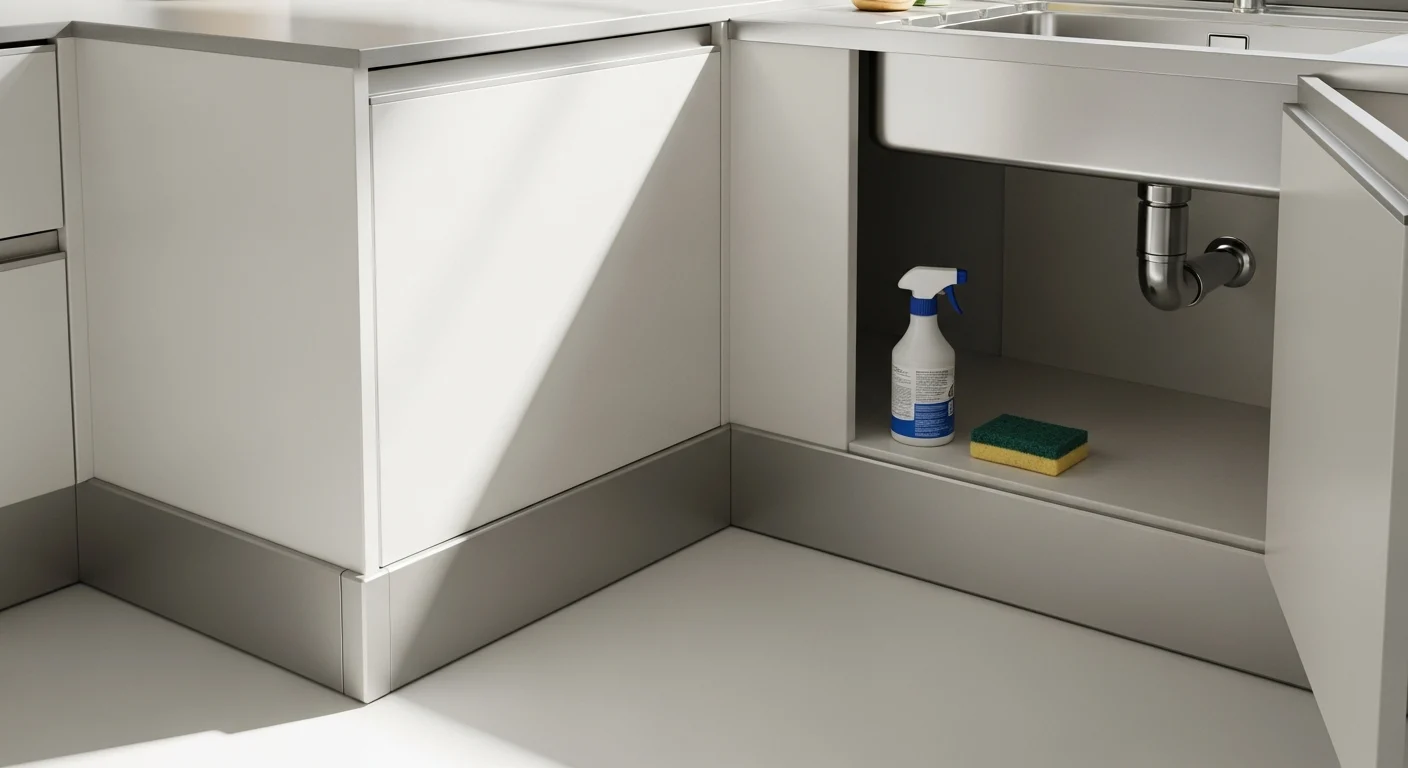
The most vulnerable areas are usually sink bases, dishwasher openings, toe kicks, exposed end panels, bottom edges, and seams near countertops. A quality cabinet uses better substrates, sealed edges, protective finishes, and thoughtful detailing in these locations. For example, a sink base may benefit from a protective floor liner or a plywood bottom with a durable finish. Toe kicks should resist water from cleaning and minor spills, especially in busy kitchens.
Panel edges matter because they absorb moisture more readily than finished faces. Poorly sealed particleboard edges can swell noticeably after brief exposure to water. Even plywood can delaminate if the adhesive bond is poor or water exposure is severe. Durable cabinetry uses edge banding, finish coatings, laminate surfaces, or other protective details to slow moisture intrusion.
Indoor air quality also matters when discussing cabinet materials and adhesives.
Indoor air quality also matters when discussing cabinet materials and adhesives. Many composite wood products are regulated for formaldehyde emissions, and buyers can learn more from the EPA guide to formaldehyde emission standards for composite wood products. Durable cabinets should be safe, stable, and appropriate for the rooms where they will be installed.
Finishes Protect More Than Appearance
A cabinet finish is not just a color layer. It is a protective system that helps the surface resist stains, abrasion, grease, moisture, sunlight, and repeated cleaning. Paint, stain, conversion varnish, lacquer, laminate, thermofoil, and UV-cured coatings all perform differently. The best choice depends on the cabinet material, design style, room conditions, and maintenance expectations.
High quality finishing includes proper sanding, surface preparation, sealing, coating thickness, curing, and inspection. A weak finish may chip easily at corners, discolor near heat, soften under cleaning chemicals, or wear through around knobs and pulls.
Edges and profiles are especially important. Raised panels, shaker inside corners, decorative molding, and door edges can collect moisture and grime. If finish coverage is thin in these areas, deterioration may begin there first.
Installation Completes the Quality Equation
Even the best cabinet can perform poorly if installed incorrectly. Cabinets must be level, plumb, square, securely fastened, and properly shimmed. Uneven floors and walls are common, so skilled installation is not simply about attaching boxes to studs.
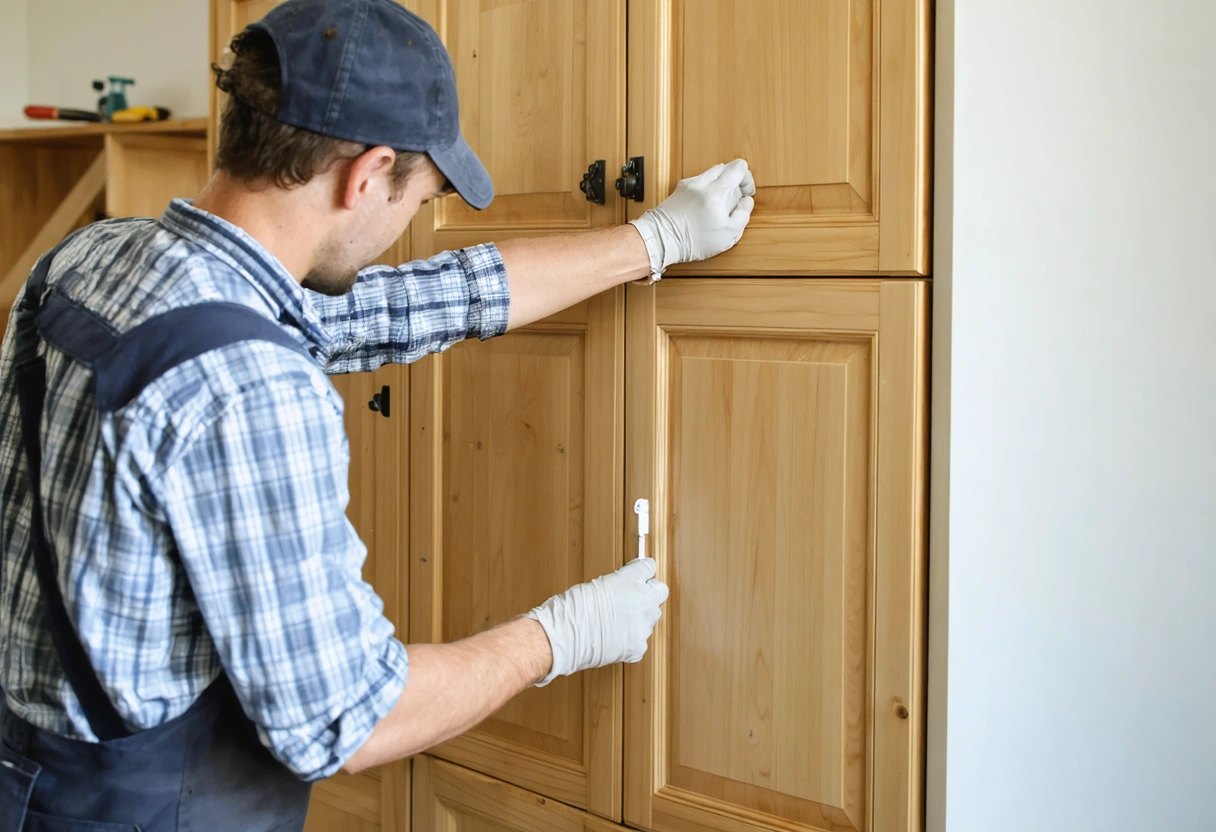
Fastening cabinets through strong hanging rails or structural backs is essential. Screws should penetrate framing securely, not just drywall. Base cabinets need proper leveling so weight is distributed evenly.
Standards and testing help explain why installation and construction details matter. Organizations such as the Kitchen Cabinet Manufacturers Association publish performance benchmarks, including information about cabinet certification and durability testing. While certification is not the only sign of quality, it gives buyers a useful reference point when comparing products.
Buy for the Years You Cannot See Yet
Quality cabinet construction is an investment in daily reliability. Strong boxes, stable materials, precise joinery, durable hardware, moisture protection, resilient finishes, and skilled installation all work together.
The smartest cabinet purchase is not always the most ornate or the most expensive. It is the one built to handle real life. When cabinets are constructed with care, they stay aligned, function smoothly, support heavy storage, clean up well, and continue to look intentional long after trends change.
Need help with The Durability Factor: Why Quality Matters in Cabinet Construction?