




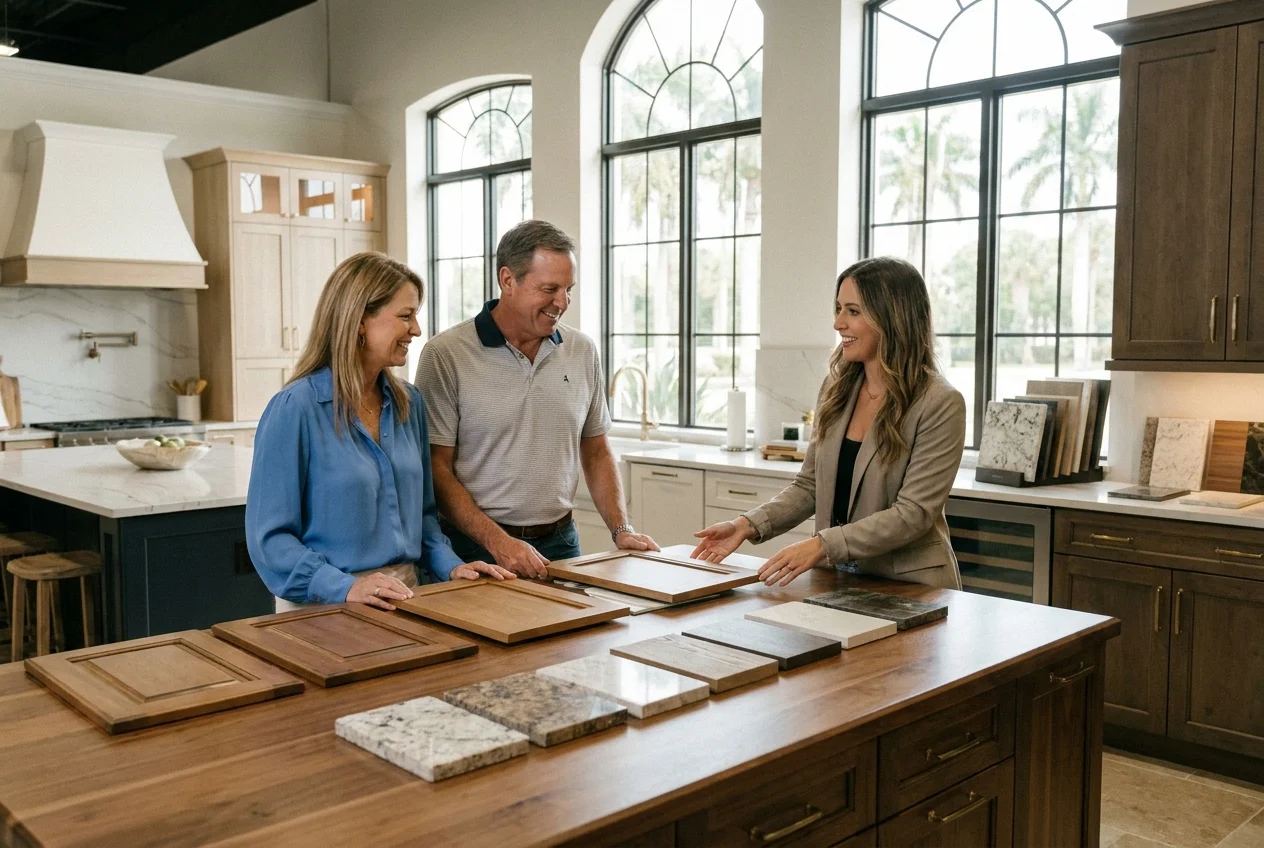
Cabinet refacing is one of the most effective ways to transform a kitchen, bathroom, laundry room, or built-in storage area without replacing the entire cabinet structure. By keeping the existing cabinet boxes and updating the visible surfaces, you can create a fresh design while often saving time, material, and disruption compared with a full cabinet replacement.
The biggest design decisions in a cabinet refacing project usually come down to the doors, drawer fronts, and finishes. These choices determine the style, color, texture, durability, and overall feel of the finished space, so it helps to understand how each option affects both appearance and everyday use.
Start With the Cabinet Style You Want to Create
Before comparing individual door samples or finish colors, think about the overall style direction you want for the room. Cabinet refacing can support many looks, including modern, transitional, traditional, farmhouse, coastal, craftsman, and minimalist designs. Having a clear style goal makes it easier to narrow your choices and avoid mixing elements that compete with one another.
For a clean and modern look, flat slab doors and drawer fronts are often a strong choice because they create simple lines and reduce visual clutter. For a more classic or transitional design, Shaker style doors remain popular because they feel timeless and work with a wide range of countertops, backsplashes, flooring, and hardware. Raised panel doors can add more detail and formality, especially in spaces where the surrounding architecture has traditional character.
Consider the Existing Features in the Room
Your refaced cabinets should coordinate with the fixed elements that are staying in place. Countertops, flooring, wall color, appliances, lighting, and backsplash materials can all influence which doors and finishes look best. A cabinet sample that looks perfect on its own may feel too warm, too cool, too dark, or too busy once it is placed next to existing surfaces.
It is also important to consider the size and natural light in the room. Dark cabinet finishes can create depth and drama, but they may make a small or dim space feel heavier. Lighter finishes can help a room feel brighter and more open, while medium wood tones can add warmth without overwhelming the space.
Compare Door and Drawer Front Construction Options
Cabinet doors and drawer fronts are the most visible parts of a refacing project, but their construction also affects durability, maintenance, and cost. The right choice depends on your design goals, budget, household activity level, and expectations for long-term performance. Understanding the differences can help you choose materials that look good and hold up well in daily use.
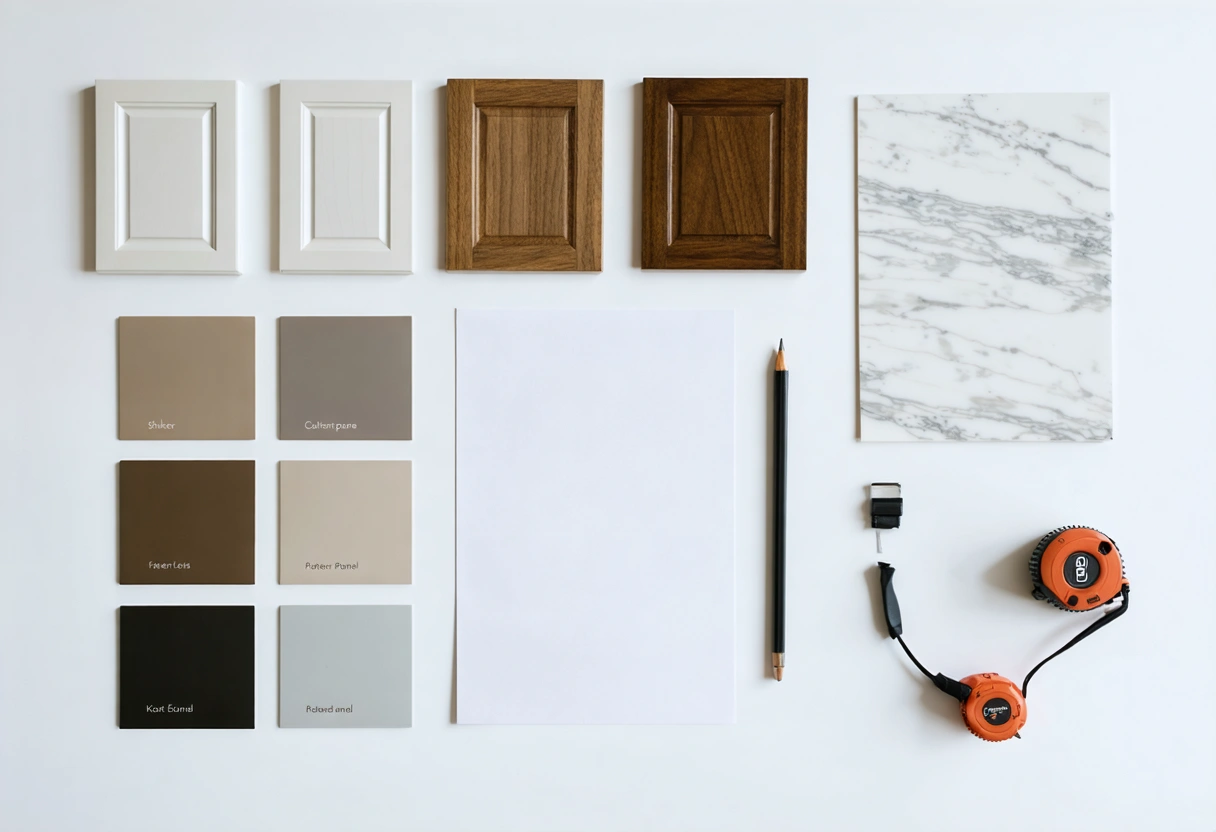
Common options may include solid wood, wood veneer, rigid thermofoil, laminate, medium density fiberboard, and painted engineered wood products. Each material has strengths and tradeoffs. Solid wood offers natural character and can be a beautiful option, but it may expand and contract with changes in humidity. Engineered materials can provide a very smooth painted finish and consistent appearance, while laminate and thermofoil options can offer easy-care surfaces in a variety of colors and textures.
Match the Material to How the Space Is Used
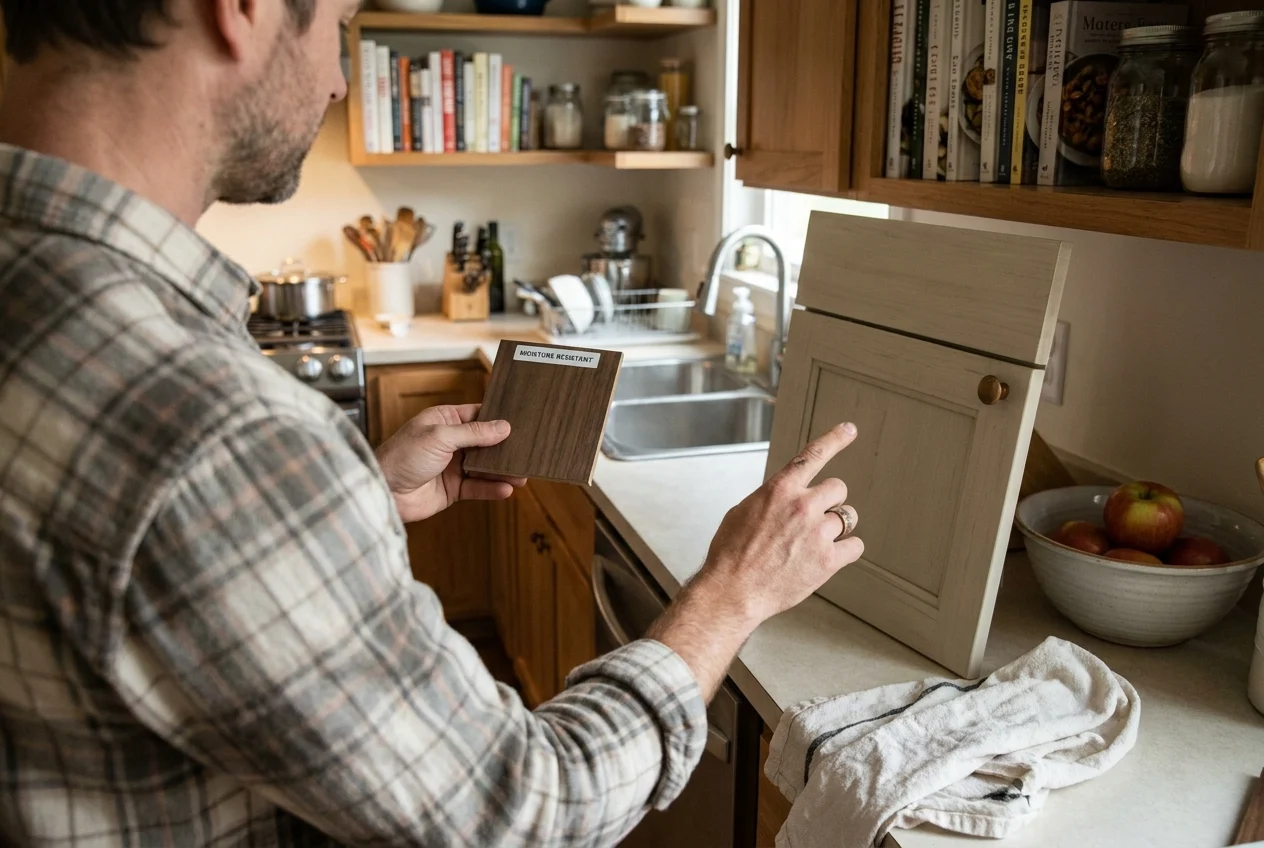
A busy family kitchen may need surfaces that resist fingerprints, moisture, and frequent cleaning, while a guest bathroom or home office built-in may allow for more decorative or delicate choices. If the cabinets are near a sink, dishwasher, range, or high-traffic prep area, durability and cleanability should carry extra weight in the decision.
Drawer fronts deserve the same attention as doors because they are touched often and can show wear over time. Choosing consistent construction and finish quality across both doors and drawer fronts helps the finished refacing project look intentional, balanced, and professionally designed.
Choose a Door Profile That Fits the Room
The door profile is the shape and detailing on the face of the cabinet door. Even when two doors are the same color, the profile can make one feel modern and the other feel traditional. This is why profile selection should happen before finalizing a finish. The shape of the door creates the design language for the entire cabinet layout.
Flat slab doors have no frame or center panel detail, which gives them a streamlined appearance. They work especially well in contemporary kitchens, small spaces, and rooms where you want the cabinet color or wood grain to be the focus. Shaker doors have a recessed center panel and simple frame, making them one of the most flexible options for refacing. They can feel modern with a narrow rail, traditional with a wider rail, or casual when paired with warm wood tones.
More decorative profiles, such as raised panel, beaded, or applied molding doors, add dimension and visual interest. These are often a good fit when the room already includes crown molding, detailed trim, traditional furniture, or classic architectural features. However, detailed doors can collect more dust in grooves and may feel too busy in a compact kitchen with many cabinet fronts.
Think About Drawer Front Style
Drawer fronts can either match the cabinet door profile or use a simpler variation. In many refacing projects, slab drawer fronts are paired with Shaker or recessed panel doors for a cleaner look, especially on smaller top drawers. This can prevent narrow drawers from looking crowded with too much detail.
For larger drawers, such as deep pots and pans drawers, using a five-piece drawer front that matches the doors can create a more furniture-like appearance. The best choice depends on the layout. A kitchen with many stacked drawers may look calmer with slab fronts, while a larger traditional kitchen may benefit from matching framed drawer fronts throughout.
Select a Finish That Balances Beauty and Practicality
The finish has a major effect on the final look of a cabinet refacing project. It also affects how much maintenance the cabinets may require. Paint, stain, laminate, textured finishes, and high-gloss surfaces each create a different impression and perform differently in daily life.
Painted finishes are popular because they offer a clean, consistent color and work with many design styles. White, cream, gray, navy, black, green, and greige are common choices for refaced cabinets.
Stained finishes highlight the natural grain and character of wood or wood veneer. They are a strong option when you want warmth, texture, and a more organic look.
Consider Matte, Satin, Semi-Gloss, and High-Gloss Sheens
Sheen changes how a cabinet finish reflects light. Matte and low-sheen finishes tend to feel softer and more understated. They can help hide minor surface imperfections, but some matte finishes may show oils or smudges more easily depending on the material.
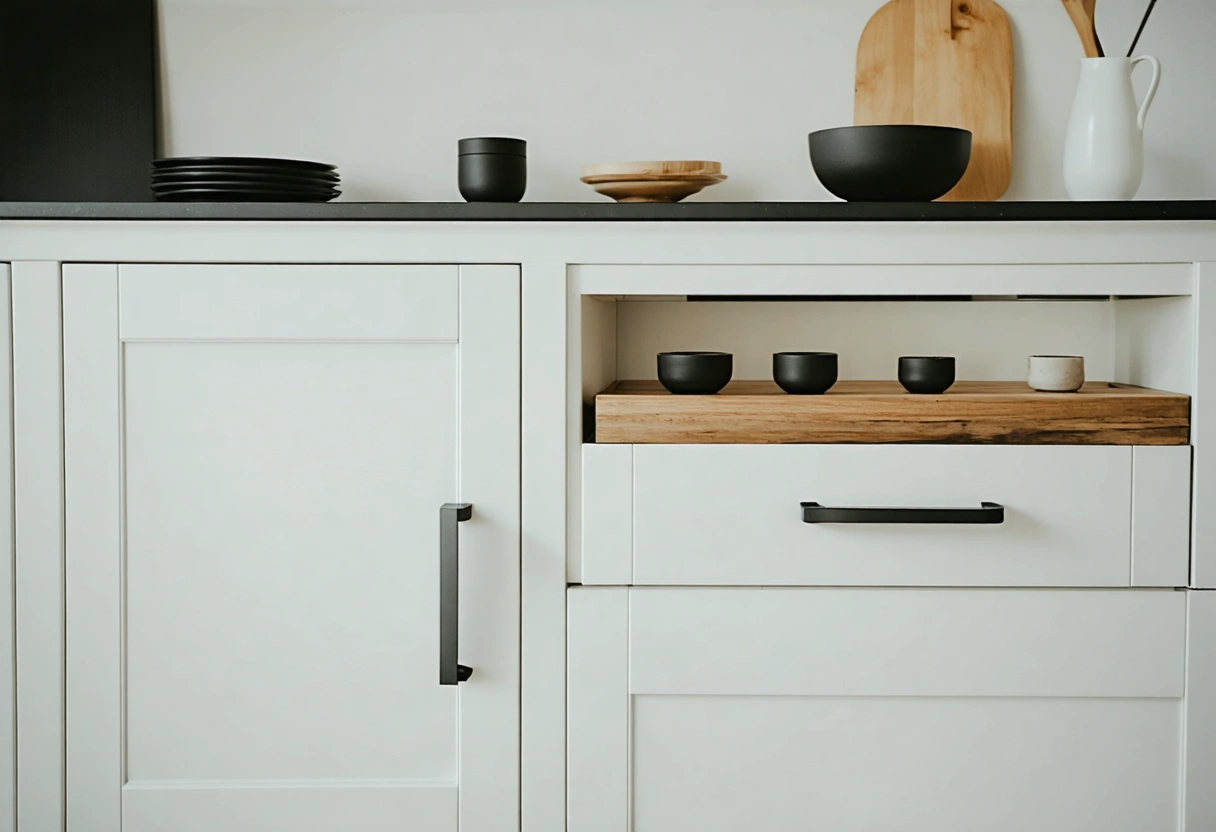
Semi-gloss and high-gloss finishes can brighten a room and give cabinets a polished, modern appearance. They are often easier to wipe clean, but they may also reveal fingerprints, dust, scratches, and uneven surfaces more clearly.
Use Color to Shape the Mood of the Space
Cabinet color sets the tone for the room. A refacing project is a chance to make cabinets blend in, stand out, or create contrast with surrounding surfaces.
White and off-white cabinets can make a space feel bright, open, and classic. They are especially useful in kitchens with limited natural light or darker floors.
Gray, taupe, and greige finishes can provide a neutral foundation without feeling as stark as white. These colors can be elegant and versatile, but undertones matter.
Deep colors such as navy, charcoal, forest green, espresso, and black can add sophistication and drama. These shades are effective on lower cabinets, islands, vanities, and built-ins.
Decide Whether to Use One Finish or Two
A single cabinet finish creates a cohesive, simple look. This is often the safest choice for smaller spaces, traditional layouts, or rooms with busy countertops or backsplashes.
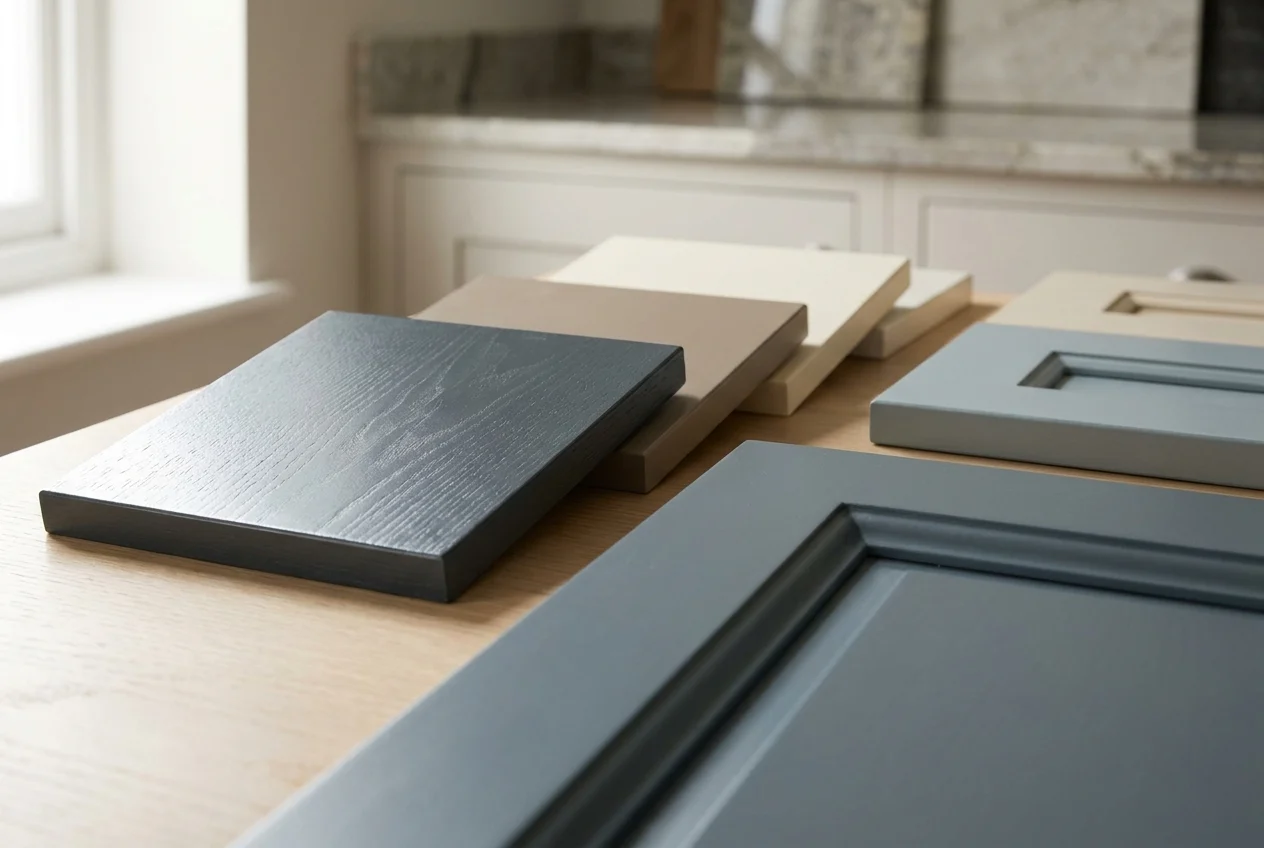
Two-tone cabinetry can add depth and personality. Common combinations include darker lower cabinets with lighter upper cabinets, a contrasting island, or wood-tone base cabinets with painted wall cabinets.
Evaluate Wood Tones and Grain Patterns Carefully
Wood finishes can bring warmth and natural variation to a refaced cabinet design. However, not all wood tones feel the same. Maple, oak, cherry, walnut, hickory, and other species each have different grain patterns and color characteristics.
Oak and ash often show more visible grain, which can work beautifully in modern, rustic, or transitional designs when paired with the right stain. Maple tends to have a smoother appearance and can suit clean painted or lightly stained finishes.
Grain direction also affects the finished look. Vertical grain can make cabinets feel taller and more traditional, while horizontal grain on slab doors can create a modern, linear effect.
Coordinate Wood Cabinets With Existing Flooring
When cabinets and flooring both have wood tones, they do not need to match exactly. In fact, an exact match can sometimes make the room feel flat.
If the floor has strong grain or color variation, a quieter cabinet finish can help balance the room. If the floor is simple and neutral, the cabinets can carry more texture.
Pay Attention to End Panels, Trim, and Face Frames
Cabinet refacing is not only about replacing doors and drawer fronts. The exposed cabinet boxes, face frames, end panels, toe kicks, and trim also need to be covered or finished so the project looks complete.
End panels should coordinate with the new doors, especially on cabinet runs that are visible from the side. A plain side panel next to a newly refaced front can look unfinished if the color, sheen, or texture does not match.
Trim pieces, crown molding, light rail molding, and toe kicks should also be considered early in the selection process. Matching these components to the door and drawer finish helps create a seamless result.
Plan for Inside Edges and Reveals
Small details such as inside cabinet edges, reveals between doors, and areas around hinges can affect the final appearance. In a quality refacing project, these areas should be addressed so the original cabinet color does not show through in distracting places.
Ask how visible cabinet box surfaces will be covered and how the finish will transition around openings, corners, and appliance panels. A thoughtful plan for these details helps the new doors and drawer fronts look like they belong to the cabinets rather than simply being added onto them.
Need help with How to Choose New Doors, Drawer Fronts, and Finishes for a Cabinet Refacing Project?