






Keeping your pantry organized can be a challenging task, especially if you’re juggling a busy schedule. However, a well-organized pantry not only makes meal prep easier but also helps you save time and reduce waste. With a few simple strategies, you can transform your pantry into a functional and visually appealing space.
In this post, we’ll explore a variety of pantry organization tips that will help you keep your kitchen essentials accessible and in order. Whether you have a large walk-in pantry or a small cupboard, these ideas are adaptable to fit your space and lifestyle.
Assess Your Pantry Space
Before diving into organization, take the time to assess your pantry space. Understanding the size and layout of your pantry is crucial for implementing effective storage solutions. Begin by measuring the dimensions of your pantry, including shelves and available wall space. This will help you determine the type and size of storage containers and organizers you’ll need.
Consider the depth and height of your shelves and whether they can be adjusted to accommodate different-sized items. If your shelving is fixed, you might need to get creative with vertical storage solutions to maximize space.
Identify Problem Areas
Next, identify areas that tend to become cluttered or disorganized. Common problem areas include shelves that are difficult to reach, awkward corners, or spaces that accumulate expired products. Take note of these areas so you can address them specifically during your reorganization process.
Declutter and Categorize
Once you have a clear understanding of your pantry space, the next step is to declutter. Start by removing all items from your pantry and sorting them into categories. Group similar items together, such as canned goods, grains, snacks, and baking supplies. This will give you a better understanding of what you have and what you need to keep.
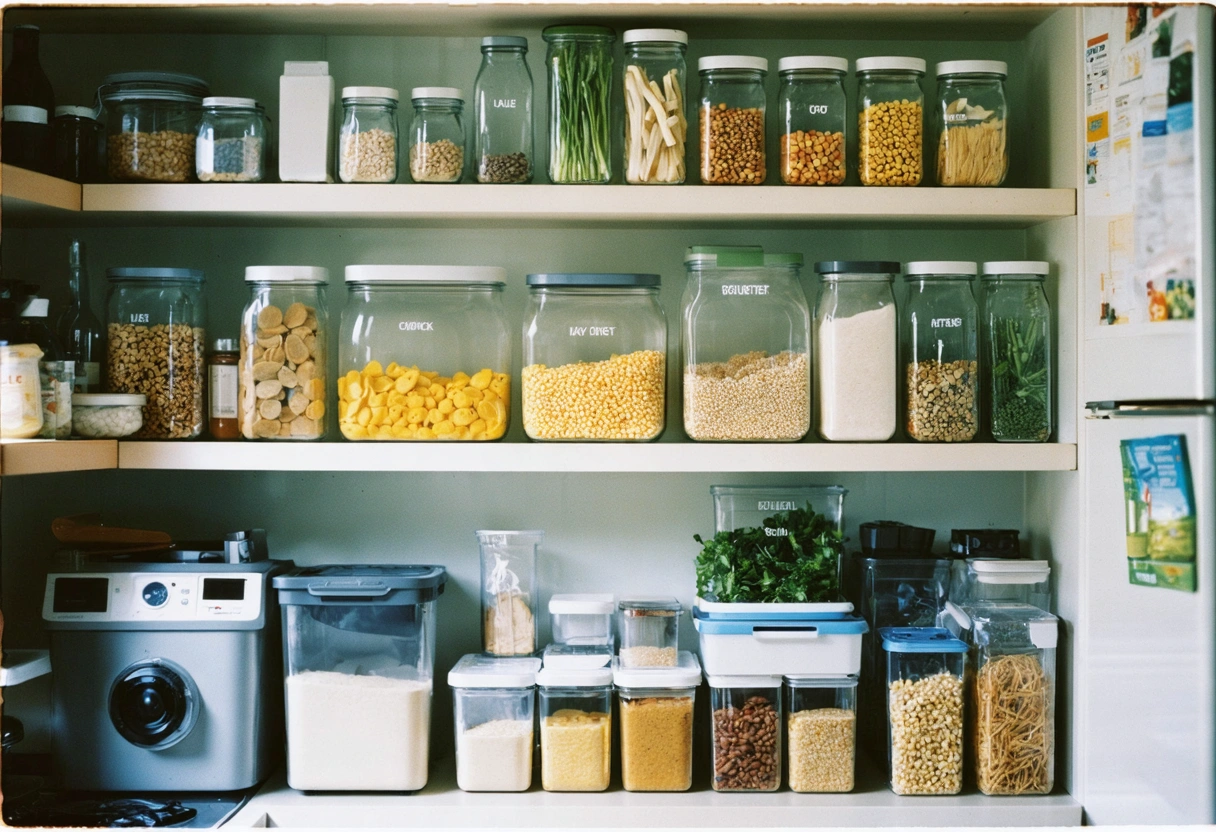
While sorting, check the expiration dates on all food items and dispose of anything that’s past its prime. This practice not only frees up space but also ensures that your pantry is stocked with fresh ingredients.
Establish Categories
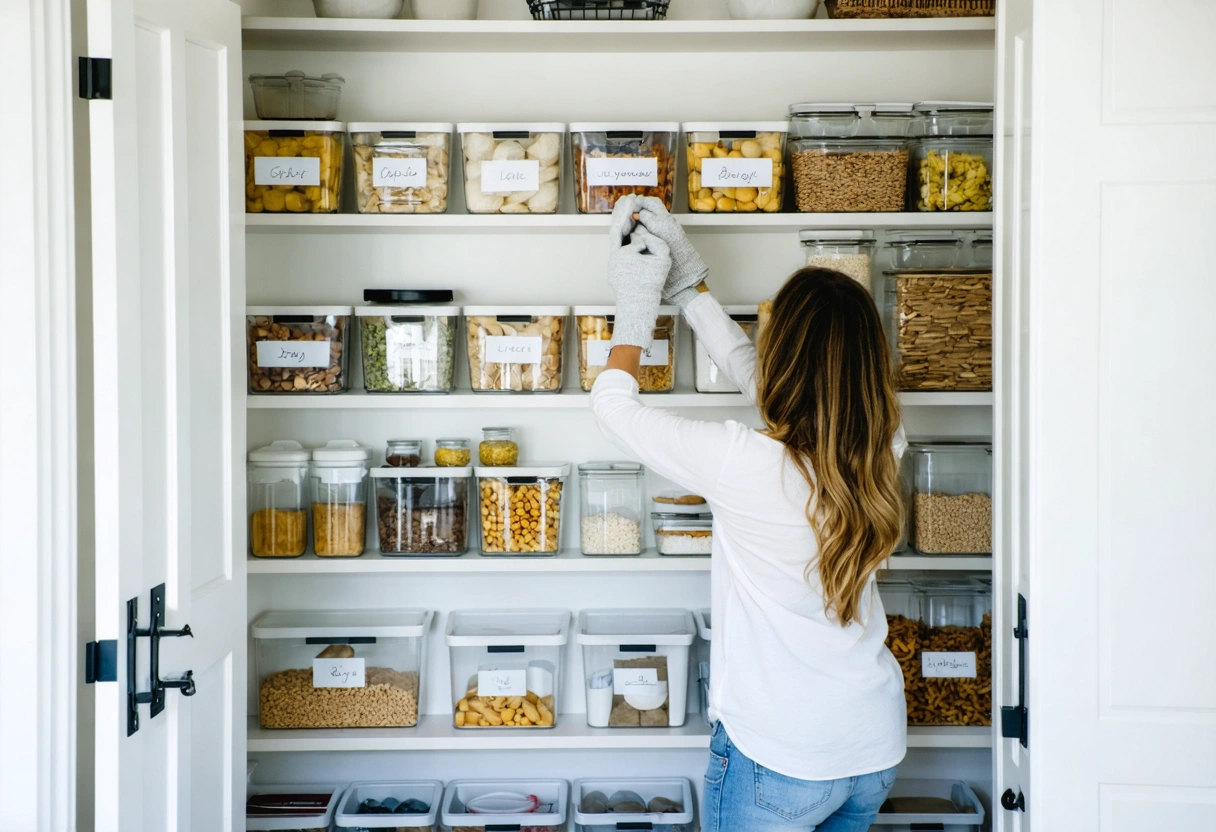
With your items categorized, establish a clear organizational system. Assign each category to a specific shelf or area in your pantry. This will help you maintain order and make it easier to find what you need. Consider using labels to clearly mark each section, ensuring that everyone in the household knows where to return items after use.
Utilize Storage Solutions
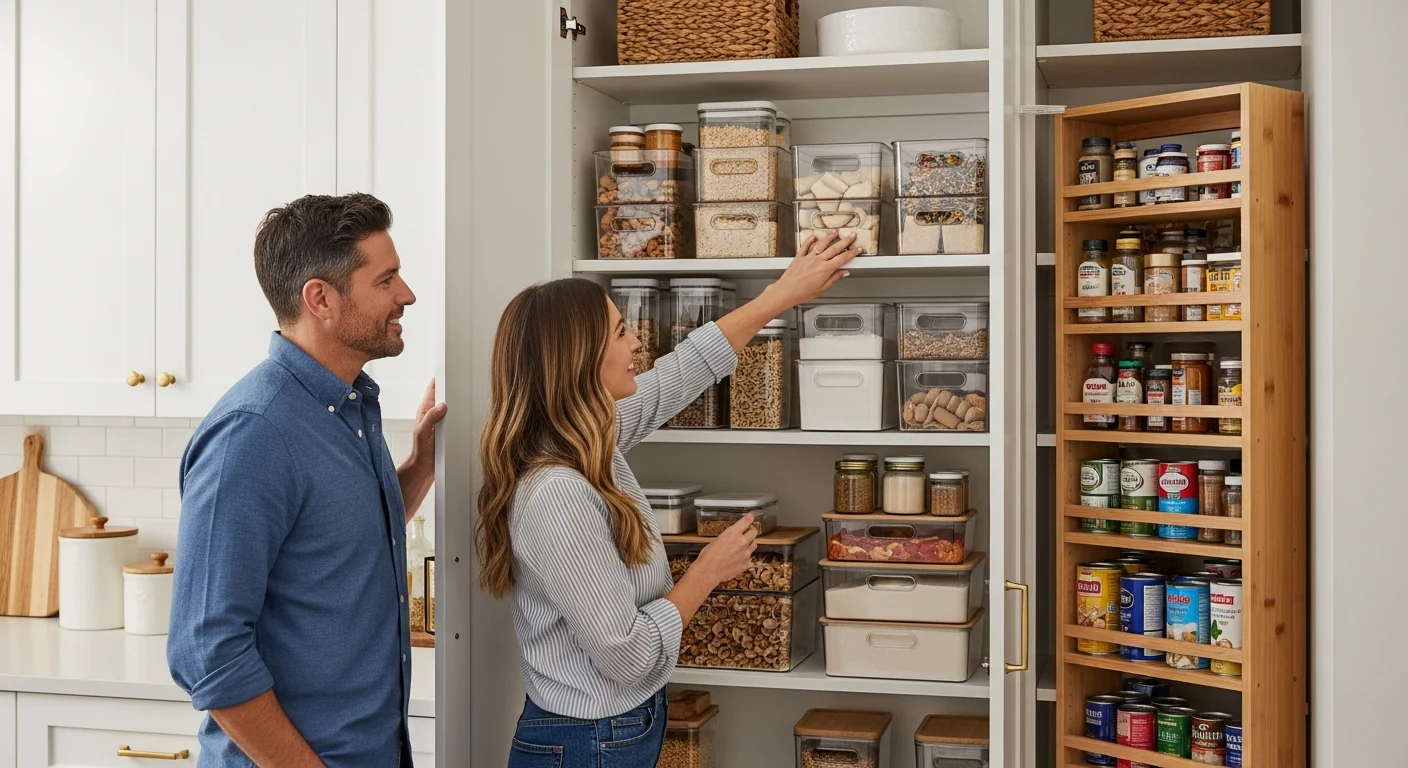
Effective storage solutions are key to maintaining an organized pantry. Invest in quality storage containers and organizers that fit your space and needs. Clear, airtight containers are ideal for storing dry goods like flour, sugar, and pasta, as they keep food fresh and allow you to easily see contents.
For smaller items, such as spice jars and snack bags, consider using baskets or bins. These can be easily pulled out to access items at the back of the shelf. Stackable bins are also a great option for maximizing vertical space.
Use Shelf Risers and Lazy Susans
Shelf risers and lazy Susans can significantly enhance your pantry’s functionality. Shelf risers create additional layers, allowing you to stack items without causing clutter. Lazy Susans are perfect for corner shelves, enabling you to rotate items for easy access.
Implement Vertical Storage
Vertical storage is a game-changer for small or crowded pantries. Use the back of your pantry door or available wall space to install hooks or racks for hanging items like aprons, oven mitts, or even pots and pans. You can also mount shelves or magnetic strips to store spice jars or utensils.
If you have tall shelves, consider using stackable bins or tiered shelving to make use of the vertical space. This approach not only maximizes storage but also keeps your pantry looking neat and organized.
Regularly Maintain Your Pantry
Once you’ve organized your pantry, regular maintenance is essential to keep it in top condition. Set a schedule to periodically reassess and tidy up your pantry. This could be monthly or quarterly, depending on your usage and household size.
During maintenance, take the time to reorganize any misplaced items and check for expired products. Regularly updating your pantry inventory will help you avoid over-purchasing and ensure you never run out of essentials.
Involve the Whole Family
Encourage other members of the household to participate in maintaining the pantry. Make sure everyone knows where items belong and how to properly store them. Creating a family-friendly system can help keep your pantry organized and reduce the likelihood of messes.
Takeaways
Organizing your pantry doesn’t have to be a daunting task. With careful planning and the right storage solutions, you can create a space that is both functional and aesthetically pleasing. By assessing your space, decluttering, utilizing smart storage solutions, and maintaining your efforts, you’ll enjoy a pantry that makes cooking and meal prep a breeze.
Remember, an organized pantry not only saves you time and money but also enhances your overall kitchen experience. Start implementing these tips today and transform your pantry into a well-organized haven for your kitchen essentials.
If you’re looking for more information, consider exploring resources such as the Food Safety Guidelines or tips from home organization experts to expand your knowledge on efficient storage solutions. Additionally, the NRDC’s Guide on Food Waste offers valuable insights into maximizing space in other areas of your home.
Creative Labeling Techniques
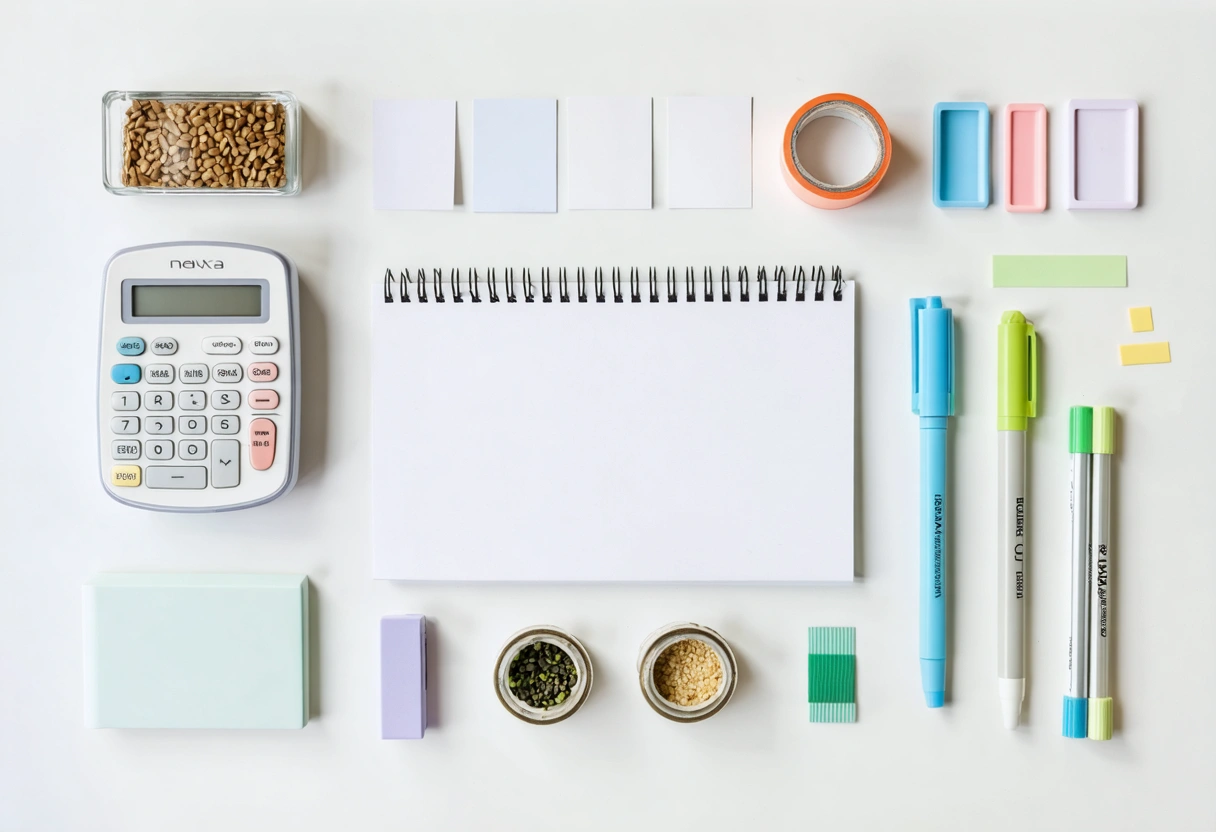
Labeling is an essential part of pantry organization that can often be overlooked. Effective labeling not only helps you find items quickly but also ensures that everyone using the pantry knows where things belong. Consider creative labeling techniques to enhance both functionality and aesthetics.
Use a label maker for a uniform look, or get creative with chalkboard paint and markers for a customizable and stylish option. If you’re inclined towards a DIY approach, consider hand-painted labels or decorative tags that match your kitchen’s theme. Whichever method you choose, the key is clarity and consistency.
Include Expiry Dates
In addition to labeling the contents, consider adding expiration dates to your labels. This can be particularly useful for dry goods that are transferred to containers. Write the expiration date on the label when you first store the item, or use a dry-erase marker on glass or plastic containers for easy updating. This practice helps you manage your pantry inventory and reduces the risk of using expired ingredients.
Incorporate Technology
With the advancement of technology, there are now digital solutions to aid in pantry organization. Smart home devices and apps can help you keep track of your pantry inventory and shopping lists. Consider using a pantry management app that allows you to scan barcodes and log expiration dates, alerting you when items are running low or nearing expiration.
Smart speakers and digital assistants can also be programmed to remind you of pantry essentials or suggest recipes based on the ingredients you have on hand. Integrating technology into your organization strategy can streamline meal planning and grocery shopping, saving you time and reducing food waste.
Sync With Your Shopping List
Many pantry management apps can sync with your shopping list, ensuring you never miss an essential item during your grocery runs. These apps can be incredibly helpful if you have a busy lifestyle, as they allow you to update your pantry inventory on the go. This feature is particularly beneficial for large households or those with varying dietary needs.

Optimize for Different Dietary Needs
If your household includes members with different dietary needs, such as gluten-free, vegan, or keto diets, organizing your pantry to accommodate these preferences is crucial. Create designated shelves or sections for each dietary category, using clearly marked labels to avoid confusion.
Consider storing specialty items in separate containers or bins to prevent cross-contamination. This setup not only makes meal prep more efficient but also ensures that dietary restrictions are respected and followed.
Plan for Meal Prep
Organizing your pantry with meal prep in mind can significantly streamline your cooking process. Group items that are frequently used together, such as taco seasoning and shells or pasta and sauce, in the same area. This arrangement saves time and helps you quickly gather ingredients for your favorite dishes.
For those who meal prep regularly, consider dedicating a section of your pantry to pre-portioned ingredients or meal kits. This approach can speed up your weekly meal prep sessions and ensure that you always have the necessary components on hand.
Consider Seasonal Adjustments
Your pantry needs may change with the seasons, and adjusting your organization strategy accordingly can keep your space efficient. During the winter, you might stock up on soups and baking supplies, while summer may call for grilling essentials and picnic snacks.
Reevaluate your pantry setup at the start of each season, rotating items to bring seasonal favorites to the forefront. This practice not only optimizes space but also ensures you’re prepared for seasonal cooking and entertaining.
Store Seasonal Items Separately
Consider storing seasonal goods that are not currently in use in a separate area of your pantry or another storage location. This can free up valuable space for current staples and reduce clutter. Use labeled bins or containers to keep these items organized and easy to find when the season changes.
Incorporate Aesthetic Elements
While functionality is crucial, adding aesthetic elements to your pantry can make it a more inviting space. Consider incorporating decorative baskets, patterned shelf liners, or colorful containers that reflect your personal style. These touches can make pantry organization feel less like a chore and more like a creative project.
Display items like cookbooks or decorative jars in a way that adds visual interest, turning your pantry into a focal point rather than a hidden storage area. By combining practicality with design, you create a space that’s both useful and enjoyable to use.
Lighting and Accessibility
Proper lighting can dramatically improve the usability of your pantry. Install battery-powered LED lights under shelves or along the interior to illuminate dark corners and make it easier to find items. If your pantry is large, consider adding a small motion-sensor light that turns on automatically when the door is opened.
For accessibility, ensure that frequently used items are stored at eye level or within easy reach. Reserve higher shelves for seldom-used or bulk items, and use step stools or ladders for safe access. This approach ensures that your pantry remains functional for all members of the household.
By implementing these advanced pantry organization tips, you’ll not only optimize your kitchen space but also enhance the overall cooking experience. A well-organized pantry simplifies meal preparation, reduces waste, and brings a touch of joy to everyday cooking. Start today and experience the benefits of a perfectly arranged pantry.
Need help with Pantry Organization Tips: How to Keep Your Kitchen Essentials Accessible?